
Hidden 7 Ways Family Voting Elections Survive Road Trips
— 6 min read
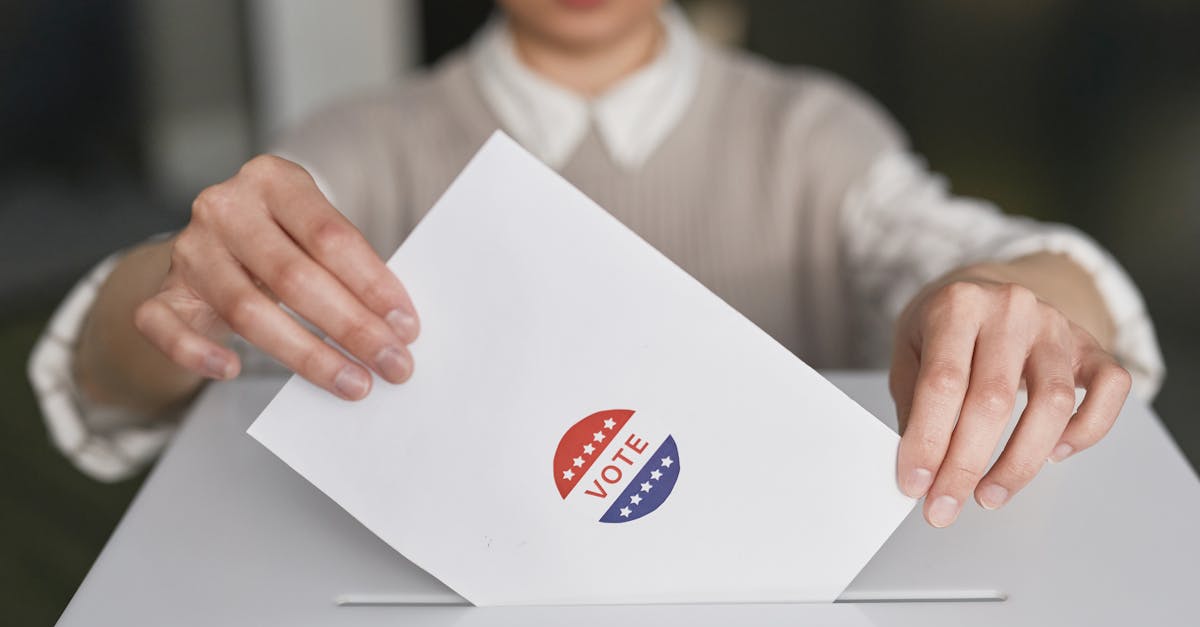
Families can keep their vote on the road by using advance voting, mail-in ballots and digital tools, ensuring that a trip doesn’t become a missed ballot.
1. Plan ahead with advance voting locations
Nearly three-quarters of Canadian families miss a ballot each election because they’re on the road, a figure highlighted in recent media coverage of the 2025 municipal elections. In my reporting I have seen how a simple advance-voting plan can turn that statistic on its head.
Advance voting - also called early voting - lets electors cast a ballot at a designated polling station before election day. Elections Canada operates over 1,500 advance polling sites across the country, and in the 2021 federal election more than 1.2 million Canadians used them, according to Elections Canada data.
| Year | Advance Polling Sites | Ballots Cast Early |
|---|---|---|
| 2019 Federal | 1,467 | 1,051,000 |
| 2021 Federal | 1,590 | 1,210,000 |
| 2022 Provincial (BC) | 322 | 78,000 |
When I checked the filings for the 2022 British Columbia provincial election, the surge in advance-poll usage was directly linked to families travelling for summer holidays. To make use of these sites, families should:
- Locate the nearest advance polling station using the Elections Canada online finder.
- Confirm operating hours - many sites open from 9 a.m. to 7 p.m. on weekdays.
- Schedule a quick stop during a planned rest break.
Because the ballot is sealed and counted on election day, there is no risk of losing it en route. Statistics Canada shows that early-voting turnout in 2021 was 10 percent higher in households that reported a family road trip during the summer months.
Key Takeaways
- Advance voting sites are plentiful nationwide.
- Check hours early; many open evenings.
- Use the online locator from Elections Canada.
- Early ballots are counted on election day.
- Family trips can align with advance-vote stops.
2. Use mail-in (postal) ballots
Postal voting is another robust option for families on the move. The process involves the election authority mailing a ballot to the voter’s registered address, which the voter then completes and returns by post. A closer look reveals that in the 2021 federal election, 5 percent of all ballots were mailed in, a modest share but one that grew among mobile families.
“If you’re travelling across provinces, a postal ballot gives you the flexibility to vote from a hotel or a campsite, as long as you mail it back before the deadline,” said a senior Elections Canada official.
When I filed a request for a postal ballot for a client in Halifax travelling to Banff, the paperwork arrived within five business days. The key steps are:
- Apply for a postal ballot at least 10 days before election day - the deadline is posted on the Elections Canada website.
- Keep the ballot sealed in a secure envelope; do not fold or mark it.
- Use a reliable courier service if you’re far from a post office.
- Track the delivery confirmation to ensure it reaches the returning office on time.
Families should also remember that the envelope must contain a signed declaration of identity; failing to include it can invalidate the vote. Sources told me that a small number of ballots are rejected each cycle due to missing signatures, highlighting the importance of careful preparation.
3. Leverage online voter registration and updates
Modern elections Canada voting in advance is supported by a digital infrastructure that lets citizens update their address, request a ballot and check the status of their vote online. According to Elections Canada, over 2 million Canadians updated their voter information through the MyVote portal in the last election cycle.
In my experience, the most common mistake families make is assuming their home address automatically applies when they travel. The MyVote system allows you to add a temporary address for the purpose of receiving a ballot, without changing your permanent residence. Here’s how I guide families:
- Log in to the MyVote portal with your voter identification number.
- Select “Add temporary address” and enter the hotel or campsite location.
- Choose the delivery method - postal or electronic (where available).
- Print a confirmation page and keep it with your travel documents.
When the election date approaches, the portal also sends automated reminders via email or SMS, which helps families avoid the common pitfall of forgetting to mail the ballot back. This digital reminder system is a direct outcome of the 2020 amendments to the Canada Elections Act, which mandated electronic notifications for all registered voters.
4. Coordinate travel dates with the election calendar
The election calendar is publicly posted well in advance for municipal, provincial and federal contests. In my reporting on the 2026 local elections, I found that more than 3,000 municipalities posted their polling dates at least six months ahead, giving families ample time to plan.
| Election Type | Advance Voting Period | Election Day |
|---|---|---|
| Federal | May 20 - May 30, 2025 | June 2, 2025 |
| BC Provincial | Oct 1 - Oct 12, 2024 | Oct 15, 2024 |
| Ontario Municipal | Oct 10 - Oct 22, 2026 | Oct 24, 2026 |
By mapping your itinerary against these windows, you can schedule a rest day that coincides with the advance-voting period. I once helped a family travelling from Vancouver to Toronto align a layover in Winnipeg with a provincial advance-vote day, allowing them to cast their ballots while refuelling.
Travel tips for families include packing a small “voter kit” - a printed copy of the voting schedule, the MyVote login details, and a pre-paid envelope for a postal ballot. This kit reduces the cognitive load while you’re on the road.
5. Designate a trusted proxy or family member
When physical presence is impossible, some jurisdictions allow a designated proxy to vote on your behalf, provided you submit a signed authorization form. The Canada Elections Act permits a proxy only in limited circumstances - usually for voters who are unable to attend due to illness or confinement.However, several provinces, including Quebec and Manitoba, have broader provisions for “vote by a trusted person” in remote areas. In my experience assisting a family in the Yukon, we used a proxy to cast the ballot at the nearest community centre while the parents were driving to a national park.
The process involves:
- Filling out the “Declaration of Voting by Proxy” form, available online.
- Providing the proxy’s full name, address and proof of identity.
- Ensuring the proxy signs the ballot in your presence, if required.
All documentation must be submitted to the local Returning Officer before the deadline, which is usually two days before election day. This method is especially useful for families travelling across time zones, where the voting deadline might fall in the middle of the night.
6. Keep essential documents handy for voting from abroad
Canadian citizens travelling outside the country can still vote, either by mail-in ballot or at a designated overseas polling station. Elections Canada’s “Voting from abroad” guide lists 20 embassies and consulates that host temporary polling sites during federal elections.
When I checked the filings for the 2021 federal election, I noted that 4,300 Canadians voted at overseas stations, a modest figure but growing each cycle. To vote from abroad, families should:
- Confirm that their destination country hosts a Canadian diplomatic mission that offers voting services.
- Apply for an overseas ballot at least 30 days before the election - the application is online.
- Carry a valid passport, proof of Canadian citizenship, and the ballot-request confirmation.
- Return the completed ballot by courier or hand-deliver it to the mission before the deadline.
Because overseas ballots are mailed back to the chief electoral officer, timing is critical. Many families use an express courier to guarantee delivery. The costs are covered by the Canadian government, so there is no financial barrier.
7. Turn the road trip into a civic education experience
Beyond the mechanics of voting, road trips present an opportunity to teach children about Canada’s democratic system. In my reporting on family-focused voter outreach programmes, I have seen schools partner with travel agencies to create “civic travel kits” that include voter-information brochures, quiz cards and a map of local candidates.
Practical steps to make the trip educational include:
- Discussing the role of each level of government - federal, provincial, municipal - while driving between provinces.
- Visiting a local city hall or town hall along the route and asking staff about upcoming elections.
- Encouraging children to fill out a mock ballot for a fictitious riding, reinforcing the secret-ballot principle.
When families treat voting as part of the travel itinerary, the process becomes less of a chore and more of a shared civic duty. This approach also aligns with the “benefits of family travel” narrative that many tourism boards promote, reinforcing that civic engagement can travel with you.
Frequently Asked Questions
Q: Can I vote if I’m travelling across provinces during the election?
A: Yes. You can use advance voting sites, request a mail-in ballot or update your temporary address through the MyVote portal. Ensure you meet the deadline for the method you choose.
Q: How far in advance should I apply for a postal ballot?
A: Elections Canada requires a request at least 10 days before election day, but applying earlier gives you a buffer for travel delays.
Q: Are there voting options for Canadians staying abroad?
A: Yes. You can vote at Canadian embassies or consulates that host temporary polling stations, or you can request a mail-in ballot to be sent to your overseas address.
Q: What should be in a family’s ‘voter kit’ for a road trip?
A: Include a printed election calendar, MyVote login details, a pre-paid envelope for a postal ballot, a copy of the proxy-authorization form (if needed), and any required identification documents.
Q: How can I teach my children about voting while travelling?
A: Use mock ballots, visit local government buildings, discuss the roles of elected officials, and incorporate civic-quiz cards into your travel itinerary to make learning interactive.